Free word search
Category
Soundproofing Tips for Apartments: How to Prevent Noise Issues with Neighbors
2025.12.25
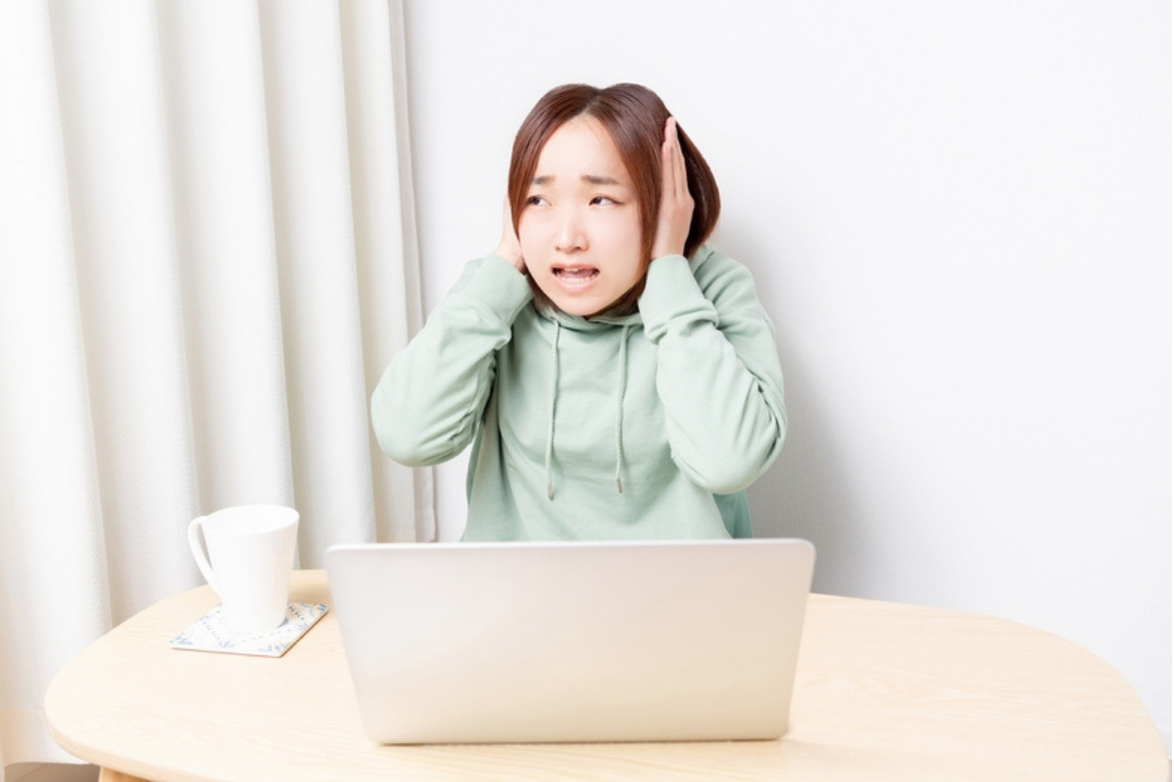
Worried about noise from your neighbors?
Concerned that your own sounds might be disturbing others?
These concerns are quite common when living in rental housing. Older wooden buildings, in particular, tend to carry sound easily, which can lead to unexpected trouble if you’re not careful.
In this article, we explain simple soundproofing measures you can do in a rental apartment, as well as how to choose properties with better sound insulation.
Simple Soundproofing Measures You Can Do in a Rental Apartment
Even if large-scale soundproof renovations are difficult in a rental unit, a few small adjustments can significantly improve sound insulation. Here are some easy measures anyone can try.
・Floor Soundproofing
To reduce impact noise, thick carpets or soundproof mats are highly effective. Urethane-based soundproof mats are especially recommended, while foam joint mats work well in children’s rooms thanks to their sound-absorbing qualities.
These reduce footsteps and the noise from moving furniture, helping prevent sound from traveling downstairs. Quiet slippers designed to soften footstep noise are also useful for minimizing walking sounds.
・Window & Wall Soundproofing
For indoor noise leaking out—or outdoor noise coming in—soundproof curtains are an easy solution. Thick, sound-absorbing curtains block sound more effectively than regular curtains and help reduce car noise or voices from outside.
Furniture placement can also boost soundproofing. Placing bookshelves or wardrobes against walls absorbs sound; putting them on walls shared with neighboring units can be particularly effective.
・Door Soundproofing
For the entrance door, adhesive soundproof sheets or panels help reduce echo and prevent voices or TV sounds from leaking out, improving privacy.
Gaps around doors and windows allow sound to pass through easily, so using sealing tape improves airtightness and reduces noise leakage.
How to Deliver Noise Complaints Appropriately
If noise issues arise, avoid directly confronting the person making the noise. It’s safer to consult your property management company or landlord first. Avoid emotional expressions like “It’s noisy” or “You’re annoying,” and instead report objective facts such as:
“Loud noises continue after 10 p.m.”
Calmly organizing the facts and having a neutral third party communicate the issue makes it easier for the other party to understand.
If the issue persists even after informing the management company, you may seek advice from the police, a lawyer, or a local government consultation service. And if the mental burden becomes too heavy, moving out is also a valid option.
.jpg)
How to Choose a Property with Good Soundproofing
Here are key points to consider when selecting a rental property with better sound insulation.
・Check the Building Structure
The building structure greatly affects sound insulation.
Wooden (W-structure): Wooden frames. Thin walls/ceilings; sound travels easily.
Steel Structure (S-structure): Steel frames. If walls are thin, vibrations may carry.
Reinforced Concrete (RC): Thick concrete walls/floors; sound transmission is low.
Steel Reinforced Concrete (SRC): Steel + reinforced concrete; highly airtight and excellent at blocking external noise.
・Test Noise Levels During the Viewing
Thicker walls block sound better. During a viewing, knock on the middle of the wall to check:
Light, hollow “kon-kon” sound → Thin wall, low sound insulation
Heavy, dull “gotsu-gotsu” sound → Thick wall, high sound insulation
When viewing, choose a quiet time of day (afternoons or evenings) and check:
☑️ Can you hear TV or conversation from outside?
☑️ With windows closed, how much traffic or train noise enters the room?
・Check the Unit’s Position
Rooms less affected by noise include:
Corner units: Fewer neighboring walls
Top floors: No footsteps from above
However, top floors may have noticeable rain noise, so always check during the viewing.
・Check Windows, Doors, and Flooring
Properties with double glazing or pair glass (insulated glass) offer higher sound insulation.
Entrances equipped with soundproof doors keep external noise out.
Floors with carpet or tatami offer better sound absorption than hard flooring.
・Confirm the Surrounding Environment
If you want a quiet living environment, also check the neighborhood:
☑️ Not located on a busy road or near train tracks
☑️ No bars, restaurants, or karaoke nearby
☑️ No parking lot directly in front (idling noise)
Visit the area both during the day and at night to get an accurate sense of daily noise levels.
.png)
Conclusion
The likelihood of noise-related problems also depends on the behavior and manners of the residents. If you want to avoid such issues, choose a property known for having fewer disputes and residents with good manners.
At Land Housing, our local specialists know the neighborhood in detail and can recommend properties that match your needs. We can introduce quiet properties with fewer noise complaints and safe, comfortable areas around Suginami.
If you’re searching for a rental home in the Suginami area, feel free to leave it to us.
Related Articles