Free word search
Category
Comparison of building structures in Japan (Part 1)
2026.11.14
When searching for an apartment in Japan, you may come across different types of building structures on property listings and floor plans (図面). If you're not familiar with these terms, it can be difficult to understand the differences.
In this article, we'll introduce three of the five common building structures in Japan, along with their advantages and disadvantages, to help you choose the right home for your lifestyle.
Table of contents
Advantages of wooden building (木造)
One of the biggest advantages of wooden buildings is their relatively affordable rent. Even in the same area and with a similar room size, wooden buildings tend to be more affordable than reinforced concrete buildings and other types of construction. This makes them a good option for people living alone for the first time or those looking to keep their housing costs low.
Another advantage is their good ventilation, which helps prevent moisture from building up and reduces the likelihood of condensation. Some wooden buildings also offer a warm and cozy living atmosphere, making them a popular choice for people who value a comfortable home.
Disadvantage of Wooden Building (木造)
On the other hand, wooden buildings generally offer less sound insulation than reinforced concrete buildings. This means you may hear every day noises from neighbors or the floors above and below. They also tend to have lower airtightness, making them more affected by outdoor temperatures. As a result, some rooms may feel hot in summer and cold in winter.
Wooden buildings also generally have lower fire resistance than other types of construction. It's worth keeping in mind that living comfort can vary depending on the building's facilities and age. Older wooden buildings may also be at risk of termite damage if they are not properly maintained.
Advantage of lightweight steel frame building (軽量鉄骨造)
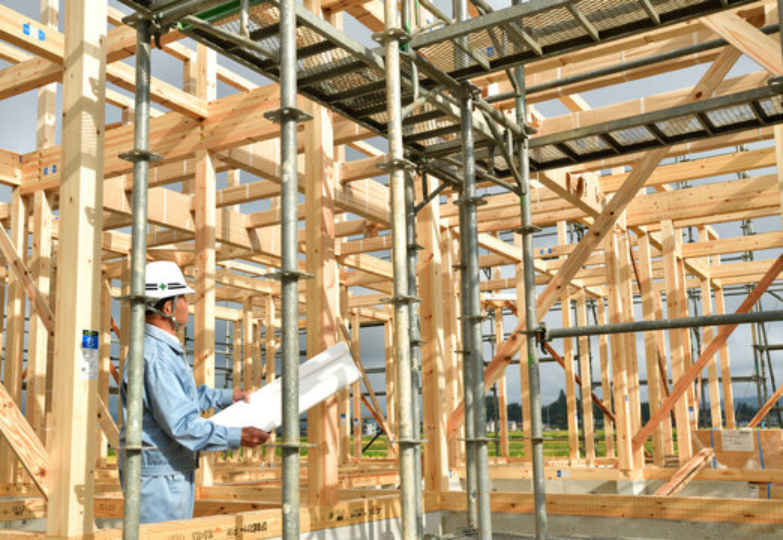
Lightweight steel frame buildings are constructed using steel frames manufactured in factories with precision. This helps maintain consistent construction quality. Compared to wooden buildings, they generally offer better durability and earthquake resistance, making them a popular choice for people looking for a home that feels safe and secure.
Another advantage is their relatively efficient construction process, which means these properties are widely available. This makes it easier to find a good balance between rental prices and property options. Depending on the building, some properties may also offer a certain level of airtightness and thermal insulation, helping create a comfortable living environment.
Disadvantage of lightweight steel frame building (軽量鉄骨造)
On the other hand, sound insulation can still be an issue due to the way these buildings are constructed. You may hear everyday noises from neighboring rooms or the floors above and below. Steel also conducts heat easily, so thermal insulation can vary significantly depending on the building's design and specifications.
In addition, rent can sometimes be slightly higher than that of wooden buildings, so it's important to consider whether the price fits your budget. Performance can vary from one property to another, so it's important to check the building's actual condition during a viewing.

Advantage of Heavy Steel Frame Buildings (重量鉄骨造)
Heavy steel frame buildings use thick, strong steel frames for their main structural components, such as columns and beams. One of their biggest advantages is their high strength and durability, making them suitable for multi-story buildings and larger apartment complexes.
Another advantage is that steel frames allow for more flexible interior layouts. Depending on the building's design, rooms can have wider open spaces with fewer supporting columns, providing a more spacious and comfortable living environment. Heavy steel frame buildings can also offer good earthquake resistance when properly designed, making them a suitable option for people who value structural strength and stability.
Disadvantage of Heavy Steel Frame Buildings (重量鉄骨造)
On the other hand, heavy steel frame buildings do not always offer excellent sound insulation. Depending on the wall and floor construction, everyday noises from neighboring rooms or the floors above and below may still be noticeable. Steel also conducts heat easily, so the level of thermal insulation can vary depending on the building's design and specifications. Without proper insulation, rooms may be affected by outdoor temperatures.
In addition, steel frames need proper protection against rust and fire. Rental prices may also be higher than those of wooden or lightweight steel frame buildings, depending on the property's location and specifications.
Conclusion
Each type of building structure has its own advantages and disadvantages. Some offer more affordable rent, while others provide better sound insulation, durability, or earthquake resistance. Other than three types of building introduced in this article, there are two other types of building structure, RC and SRC, that will be introduce in the next article.
When looking for an apartment in Japan, it's important to consider not only the building structure but also your budget, lifestyle, and daily needs. Keep in mind that the actual living environment can vary depending on the building's age, design, and facilities, even when the structure type is the same.
At LandHousing, we help you find the right property by explaining the features of each building structure and considering your individual needs. If you have any questions or need help finding an apartment in Japan, feel free to contact us via LINE @landhousingen !
Related Articles